Anatomical Heart Skeleton Embroidery Review
As an embroidery designer who spends half my life staring at hoop frames and the other half worrying about stitch density, I am always on the lookout for designs that strike the perfect balance between artistic flair and technical feasibility. When browsing Creative Fabrica embroidery collections for my latest boutique apparel drop, one specific file caught my eye: the Anatomical Heart Skeleton. It is a design that sits right in that sweet spot between gothic elegance and modern streetwear, making it a versatile addition to any small shop product line.
I recently evaluated this piece with the intention of integrating it into a collection of custom hoodies and oversized tees. Below is my professional review of how this machine embroidery design performs in real-world application, from visual impact to practical construction challenges.
First Impressions and Visual Mood
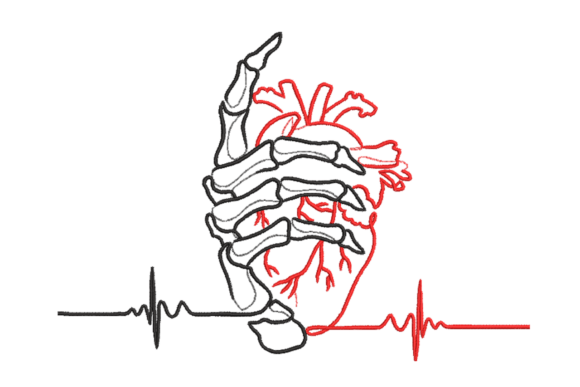
The immediate appeal of the Anatomical Heart Skeleton lies in its intricate detailing. Unlike simple silhouette designs, this piece offers a realistic representation of cardiac anatomy merged with skeletal structure. The visual personality is bold yet refined. It feels premium rather than casual, offering a decorative strength that commands attention without being overly loud.
For designers aiming for a boutique brand aesthetic, this design works exceptionally well for creating a mood that is both mysterious and sophisticated. It leans slightly toward the trendy and classic simultaneously, avoiding the trap of looking like a fleeting fad. Whether you are targeting the Etsy seller market or building a standalone clothing line, the Anatomical Heart Skeleton provides a strong focal point that elevates the perceived value of the garment.
Application on Boutique Apparel
When planning a sweatshirt or hoodie collection, placement is everything. Here is how I see this design performing across various garments:
- Sweatshirt Embroidery: On neutral heather grey or black sweatshirts, the contrast is striking. The detailed lines of the skeleton pop against the soft texture of the fleece, creating a high-end look that justifies a higher price point.
- Hoodie Chest Placement: This is perhaps the most natural fit. Centered on the chest, the design acts as a statement piece. It pairs beautifully with minimalist typography above or below it, allowing for a balanced composition that looks intentional and curated.
- Sleeve Accents: For a more subtle approach, scaling down the Anatomical Heart Skeleton for a sleeve cuff or upper arm placement adds a touch of edgy personality. It works particularly well on pastel hoodies, where the dark thread colors create a gentle but distinct contrast.
- Back Designs: If you have a larger hoop size available, placing a scaled-up version on the back can create a dramatic entrance. This is ideal for oversized garments where the fabric has enough surface area to accommodate the detail without feeling cramped.
- T-Shirt Embroidery: On cotton tees, the design brings a level of sophistication often missing from standard graphic prints. It appeals to customers looking for something more durable and tactile than screen printing.
- Denim Jackets and Tote Bags: The rugged nature of denim complements the skeletal theme perfectly. Similarly, on canvas tote bags, it serves as a unique lifestyle product photo prop, signaling creativity and individuality to potential buyers.
Visual Consistency and Brand Identity
Incorporating the Anatomical Heart Skeleton into your commercial embroidery catalog helps establish a recognizable visual identity. Customers associate consistent quality and thematic coherence with trust. When a buyer sees this specific aesthetic repeated across your finished product line, it reinforces your brand’s commitment to detailed, high-quality work. This consistency is crucial for customer engagement on social media, where visually striking images drive clicks and sales.
Practical Design Considerations
While the aesthetic is compelling, every designer knows that the devil is in the details—specifically, the stitches. Before committing to a full production run, there are several technical aspects of the embroidery file that require careful attention.
- Stitch Density: Anatomical designs often contain fine lines and small internal details. You must inspect the stitch density closely. If the stitches are too dense, the fabric may pucker; if too sparse, the details may blur together. Testing on scrap fabric is non-negotiable to ensure clarity.
- Fabric Texture and Stretch: Fleece and knit fabrics present challenges. The Anatomical Heart Skeleton requires a stable base. Using the correct stabilizer is critical to prevent shifting during digitization. On stretchy fabrics, consider using cut-away stabilizer to maintain integrity over time.
- Thread Color Contrast: The success of this design hinges on thread choice. Dark garments benefit from white, silver, or light grey threads to highlight the skeletal details. Conversely, on lighter garments, black or deep burgundy threads will provide the necessary definition. Always review thread colors before starting the machine.
- Hoop Size Constraints: Ensure the design fits within your machine’s maximum hoop size if you plan to embroider it large. If the design exceeds standard hoops, you may need to rehoop, which can introduce alignment issues if not done carefully.
Areas to Approach with Caution
There are specific scenarios where this design might not perform as intended. Avoid placing it on highly curved surfaces where distortion is likely, such as tight collars or narrow sleeves. Additionally, be cautious with small chest placements on very thick fabrics, as the needle penetration may struggle, leading to skipped stitches. Tiny lettering adjacent to the design should also be verified for readability, as fine details can get lost in the noise of a busy background.
Maximizing Value for Digital Sellers
For those selling digital embroidery files or finished goods, the Anatomical Heart Skeleton offers multiple revenue streams. You can use it to create printable mockups for digital downloads, showcasing how the design looks on various garment types. These mockups are essential for Etsy listings, helping customers visualize the final result.
Furthermore, the design’s versatility allows for cross-promotion. A single embroidery design can be marketed as a hoodie design, a tote bag design, and even a custom apparel accent, effectively doubling or tripling its utility in your marketing materials. This efficiency is key for creative entrepreneurs managing limited resources.
Final Verdict
The Anatomical Heart Skeleton is a robust, visually engaging asset for any embroidery enthusiast or professional. Its blend of anatomical accuracy and artistic flair makes it suitable for a wide range of handmade products. However, its success depends entirely on proper execution. By testing on similar garment fabrics, confirming licensing terms on Creative Fabrica, and paying close attention to stabilizer and thread choices, you can transform this digital file into a standout physical product.
Whether you are updating your small clothing brands inventory or adding a new niche to your crafters portfolio, this design deserves a spot in your library. Just remember: good design starts with good preparation. Test thoroughly, plan your placement wisely, and let the intricate beauty of the heart skeleton speak for itself.