Stylized Flower Bouquet Design Review
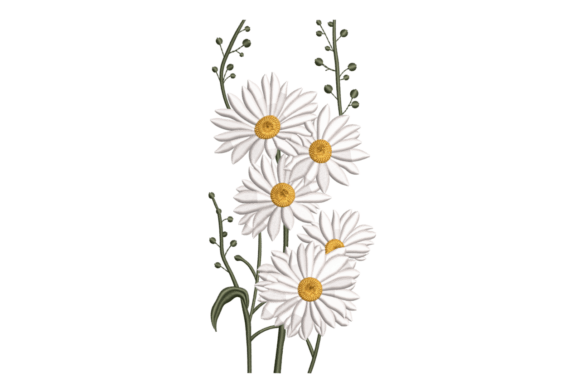
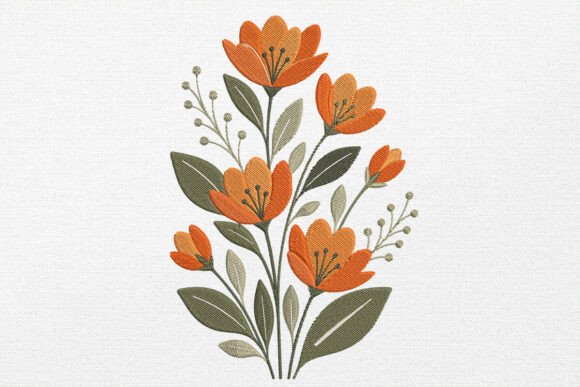
As an embroidery designer who has spent years translating digital concepts into tangible thread, I approach every new asset with a mix of creative enthusiasm and commercial skepticism. When evaluating a design for small business merch, we are not just looking at aesthetics; we are analyzing stitch density, scalability, brand alignment, and production viability. Today, I am reviewing the Stylized Flower Bouquet Design, a piece described as featuring elegant wildflowers in a minimalist style, perfect for hoop art and modern lovers of the craft.
This review focuses on how this embroidery file performs when applied to real-world business applications—from branded patches and staff uniforms to tote bags and boutique packaging accents. Whether you are an Etsy seller, a local café owner, or a product designer, understanding the practical implications of this machine embroidery design is crucial before committing to production.
First Impressions: Visual Personality and Brand Fit
The immediate visual impact of the Stylized Flower Bouquet Design leans heavily toward the modern, elegant, and slightly rustic. The description highlights "elegant wildflowers" and a "minimalist style," which suggests a clean, uncluttered aesthetic. In the world of brand identity, minimalism is often a safe yet powerful choice because it translates well across different mediums without becoming visually noisy.
For a small business, this design feels friendly and premium simultaneously. It avoids the overly ornate or vintage-heavy look that can sometimes feel dated, opting instead for a contemporary vibe that appeals to a broad demographic. This makes it particularly suitable for:
- Boutique Retailers: Where a sophisticated, handmade presentation adds perceived value.
- Creative Studios: That want to project a modern, artistic image.
- Florists and Bakeries: Businesses where natural, organic themes resonate with their core offerings.
However, designers must be cautious. While "wildflowers" implies nature, the "minimalist" tag suggests simplified forms. If the original artwork relies on intricate line work that gets lost in digitization, the final finished product may lack the intended charm. The key here is balance: does the design retain its elegance when reduced to thread?
Real-World Business Applications
The true test of any digital embroidery file is its versatility in production. Here is how the Stylized Flower Bouquet Design holds up in specific high-demand use cases.
Embroidered Patches and Brand Logos
One of the most profitable avenues for small businesses is creating custom embroidered patches. These serve as durable brand markers on denim jackets, backpacks, and hats. Because the Stylized Flower Bouquet Design is described as minimalist, it likely features open spaces and clear lines. This is ideal for patch production, as excessive detail can cause stitching issues or create a muddy appearance at small sizes. A clean bouquet design allows for a crisp outline and easy-to-read branding elements if integrated with text.
Apparel Accents: Caps, Aprons, and Uniforms
For service-based businesses like cafes or bakeries, uniformity builds trust. Placing this design on the chest of a work shirt or the front panel of a cap offers a subtle yet professional touch. The "boho" element mentioned in the source material adds a trendy flair that can differentiate a brand from competitors using generic corporate logos. On aprons, which are essentially moving billboards in a kitchen or studio, a centrally placed or offset bouquet design can elevate the garment from utilitarian to stylish, encouraging customers to ask about the brand.
Tote Bags and Product Packaging
Eco-friendly marketing is huge right now. A sturdy canvas tote bag featuring this tote bag design serves as both a functional item and a walking advertisement. The minimalist style ensures the design does not overwhelm the fabric, allowing the quality of the bag itself to shine. Furthermore, smaller versions of this design can be used on hang tags, labels, or even printed directly onto packaging materials as a printable mockup element, creating a cohesive visual language across all customer touchpoints.
Strategic Considerations and Potential Pitfalls
While the design shows promise, an experienced designer knows that what looks good on a screen does not always embroider well. There are several areas where caution is required.
Size and Detail Limitations
If you intend to use this design for tiny patches or small sleeve details, you must evaluate the stitch density. Minimalist designs often rely on fine lines or sparse fills. If these elements are too thin, they may pucker or break during washing. Conversely, if the design includes dense satin stitches for outlines, ensure that the hoop size and fabric tension can support it without distorting the shape. Always test the design at its smallest intended production size before running bulk orders.
Fabric and Color Contrast
The success of any thread colors scheme depends on the background fabric. For dark uniforms or heavy textures, light-colored threads might get lost. You need to ensure there is sufficient contrast between the thread and the fabric texture. Additionally, textured fabrics like raw denim or boucle wool can obscure fine details. In such cases, a bolder, simpler version of the bouquet would perform better than a delicate, wire-like rendition.
Curved Surfaces
Applying this design to curved surfaces, such as the front of a baseball cap, requires specialized digitizing techniques. If the original file is flat, it may warp when stitched onto a curve. Ensure your digitizer accounts for the curvature of the target item to maintain the integrity of the flower shapes.
Impact on Brand Identity and Customer Trust
Investing in high-quality commercial embroidery signals professionalism. Customers associate well-executed embroidery with attention to detail and durability. When a customer sees the Stylized Flower Bouquet Design neatly stitched onto a product, it reinforces the idea that your brand cares about quality. This visual consistency helps in building long-term customer loyalty. Unlike printed graphics that can crack or fade, embroidery endures, keeping your brand identity visible for years.
Moreover, the "handmade" aesthetic of embroidery appeals to consumers who value artisanal products. By using a design that feels elegant and thoughtful, you position your brand as one that values craftsmanship over mass production. This can justify higher price points and foster deeper engagement with your audience.
Practical Designer Notes for Production
Before you send this embroidery file to production, follow these essential steps to ensure success:
- Test in Black and White: Convert the design to monochrome to check its structural integrity. If it looks good in black and white, it will likely embroider well regardless of color.
- Check Spacing and Density: Inspect the spacing between flower stems and petals. Are there areas where stitches might overlap excessively? Adjust the stitch density if necessary to prevent puckering.
- Verify Hoop Size: Confirm that the hoop size accommodates the full design dimensions. If the design is large, consider breaking it into sections or resizing it appropriately.
- Use Proper Stabilizer: The choice of stabilizer (cut-away vs. tear-away) depends on the fabric. For stretchy knaps or delicate wovens, a cut-away stabilizer provides necessary support.
- Create a Mockup: Use a printable mockup to visualize the design on your actual product. This helps in making informed decisions about placement and scale.
- Confirm Commercial Licensing: Most importantly, verify that you have the rights to use this design for commercial embroidery projects. Check the license terms to avoid legal issues.
In conclusion, the Stylized Flower Bouquet Design offers a versatile, elegant option for small businesses looking to enhance their merchandise. Its minimalist, boho-inspired aesthetic aligns well with modern trends and can effectively boost brand identity when executed correctly. By paying close attention to technical details like stitch density, fabric choice, and licensing, you can transform this digital asset into a valuable part of your design assets library, driving engagement and sales for your handmade products.