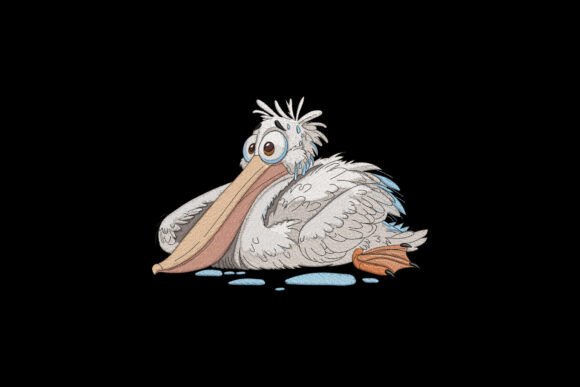
Cute Pelican Embroidery Review
As an embroidery designer who has spent years refining stitches for boutique collections, I approach every new digital asset with a critical eye. We are not just looking for "cute"; we are looking for commercial viability, stitch integrity, and brand alignment. Recently, I evaluated the Cute Pelican design for a potential drop in my premium sweatshirt line. This review breaks down exactly how this design performs on heavy cotton blends, whether it holds up to rigorous washing, and if it truly adds that subtle touch of charm needed for a standout handmade product.
First Impressions and Design Aesthetic
The title Cute Pelican suggests something playful, but in the world of commercial embroidery, "cute" can sometimes veer into childish territory. My initial assessment of this machine embroidery design was surprisingly balanced. It avoids being overly simplistic while maintaining a clean silhouette that reads well at smaller scales.
The mood is distinctly coastal yet modern. It feels less like a cartoon character and more like a stylized graphic icon. This distinction is crucial for a boutique brand aiming for a lifestyle aesthetic. When placed on a neutral oatmeal or heather grey sweatshirt, the pelican does not look like a sticker; it looks like an intentional part of the garment’s identity. The layout allows for versatility, making it suitable for chest placements on oversized hoodies or as a focal point on tote bags and aprons. For an Etsy seller looking to diversify their inventory, this design bridges the gap between casual wear and decorative home goods perfectly.
Application on Sweatshirts and Hoodies
Sweatshirt embroidery presents unique challenges due to fabric thickness and texture. Unlike woven cotton t-shirts, fleece and french terry require careful attention to stitch density and stabilizer choice. Here is how the Cute Pelican design translates to these heavier fabrics:
- Chest Placement: On a standard crewneck sweatshirt, the design sits comfortably above the waistband without distorting the fabric. It works exceptionally well as a left-chest logo for a small shop product, offering a subtle branding opportunity that doesn’t overwhelm the wearer.
- Oversized Hoodies: For the trendy oversized fit, placing the pelican slightly higher on the chest or even centered creates a bold statement. The design’s clean lines ensure it remains legible even when stretched across the broader surface area of an XL or XXL garment.
- Sleeve Accents: Due to its compact nature, this embroidery file is ideal for sleeve cuffs or upper arm placements. This adds a hidden detail that customers appreciate, enhancing the perceived value of the custom apparel.
- Back Designs: While primarily suited for front placement, the simplicity of the pelican allows it to be scaled up (if the file permits) for a back print. However, for a subtle touch of charm, keeping it small and focused on the front is the stronger strategic move for seasonal drops.
Color Theory and Thread Selection
The success of any embroidery design often hinges on thread color contrast. The description notes that this design adds creativity, which implies flexibility in palette. From a designer’s perspective, here is how different thread choices impact the final look:
- Pastel Collections: Using soft blues, mint greens, or pale yellows creates a gentle, spring-ready vibe. This is perfect for morning routines or cozy coffee shop aesthetics, appealing strongly to a feminine or minimalist audience.
- Dark Fabric Contrast: On navy or black sweatshirts, using white or light grey threads ensures the pelican pops. High contrast is essential for readability, especially if the design includes fine details. If the pelican features intricate stitching, lighter threads on dark backgrounds will highlight those textures beautifully.
- Natural Tones: For earthy, rustic vibes, consider using cream or tan threads on brown or olive garments. This approach leans into the "cozy seasonal apparel" market, making the item feel warm and inviting.
It is vital to test your thread colors against your specific fabric batch. Variations in dye lots can shift the perceived brightness of the design. Always create a printable mockup or a physical sample before committing to a full production run.
Technical Considerations for Production
Before adding this to your catalog, you must address several technical factors to ensure customer satisfaction and reduce returns.
Fabric Texture and Stabilizer Choice
Sweatshirts are bulky. To prevent puckering, a cut-away stabilizer is non-negotiable for long-term durability. Tear-away stabilizers may hold during stitching but will fail after multiple washes, leading to distortion. Given the pelican’s likely curved shapes, a stable base is required to maintain the smoothness of the outlines.
Stitch Density and Readability
If the design uses too many fill stitches in a small area, it may become stiff and uncomfortable against the skin. Conversely, if it is too sparse, it might look thin on thick fleece. You should evaluate the stitch density to ensure the pelican looks substantial enough to justify the price point. A high-quality finish signals professionalism to the buyer.
Hoop Size and Placement
Ensure the hoop size of the design fits within your machine’s capabilities and your garment’s constraints. Small designs are generally safer for automated multi-head machines, allowing for efficient nesting on large batches of shirts. If you are hand-hooping individual pieces, verify that the pelican’s dimensions do not conflict with seams or zippers.
Impact on Brand Identity and Sales
In the crowded marketplace of digital sellers and crafters, visual recognition is key. The Cute Pelican design offers a distinct character that can become a signature element for your brand. When executed well, it builds buyer trust because it shows attention to detail.
Consider how this design enhances your lifestyle product photography. A pelican evokes feelings of relaxation, travel, and summer. These emotional associations can drive engagement on social media platforms like Instagram and Pinterest. Customers are not just buying a sweatshirt; they are buying into a vibe. By using a design that feels premium and thoughtfully crafted, you elevate your finished product from a commodity to a desirable item.
Furthermore, this design’s versatility supports cross-selling opportunities. It can be adapted for matching family sets, pet accessories, or home decor items like pillows, expanding your reach beyond just apparel. For an Etsy seller, having a cohesive design language across different products helps in creating a memorable shop experience.
Final Verdict and Next Steps
The Cute Pelican design is a strong contender for any boutique brand looking to add a touch of whimsy without sacrificing quality. Its adaptable layout, charming aesthetic, and suitability for various fabric types make it a valuable addition to your design assets.
However, remember that the provided description highlights its charm and creativity but does not specify exact technical parameters. Before proceeding with mass production, please verify the following:
- Confirm the exact stitch count and file format compatibility with your software.
- Check the recommended hoop size to ensure it fits your workflow.
- Review the license terms to ensure you have commercial embroidery rights for selling finished goods.
By addressing these details, you can confidently integrate this design into your collection, knowing it meets the high standards expected by today’s conscious consumers. Whether you are launching a limited drop or expanding your permanent lineup, the Cute Pelican offers a reliable foundation for creating beautiful, durable, and marketable apparel.