Fuzzy Bumblebee Embroidery Design Review
As a designer who spends more time than I care to admit staring at stitch lines and fabric grain, I have developed a healthy skepticism toward new digital embroidery files. The market is saturated with "cute" designs that look charming in a thumbnail but fall apart when the needle hits the thread. However, when I first pulled up Fuzzy Bumblebee, I didn’t just see another bug motif; I saw a potential bestseller for the upcoming spring and summer seasons. This isn't just a simple icon; it is a vibrant, nature-inspired illustration that demands attention. In this review, I am breaking down exactly how this design performs in real-world scenarios, from high-stakes client projects to personal handmade gifts.
First Impressions: Visual Personality and Mood
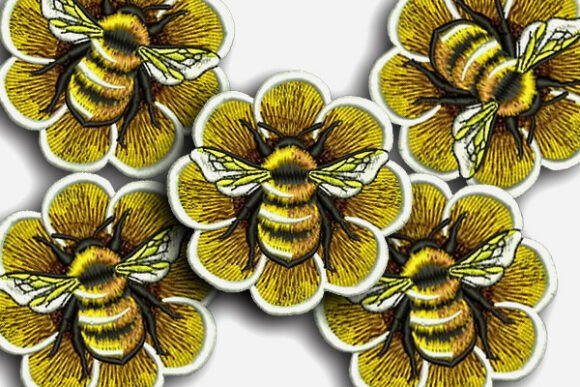
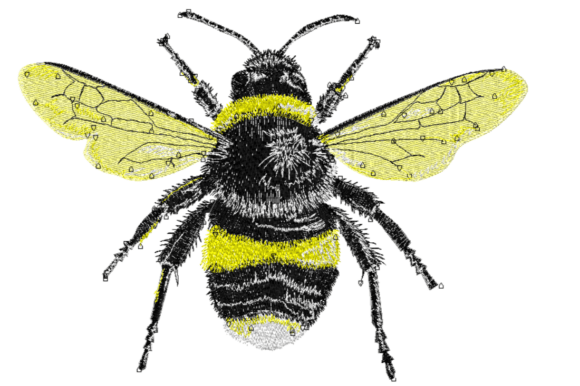
The immediate appeal of Fuzzy Bumblebee lies in its character. Unlike rigid, geometric insect patterns that feel dated or overly technical, this design carries a whimsical, approachable energy. It feels like a modern take on classic nursery decor or boutique branding. The "full-colour" aspect mentioned in the description suggests a richness that can elevate a plain garment into something special. For an Etsy seller or small shop owner, this visual personality is crucial. Customers scroll past generic items quickly; they stop for things that evoke emotion. A fuzzy bumblebee evokes warmth, nature, and playfulness—emotions that translate directly into higher conversion rates for handmade products.
The layout appears balanced, making it versatile enough for various applications without feeling cramped or floating aimlessly. It has a distinct silhouette that reads clearly even from a distance, which is a non-negotiable trait for any successful machine embroidery design. Whether it ends up on a tote bag or a baby onesie, the shape holds its own.
Real-World Application: Where Does It Shine?
I recently put Fuzzy Bumblebee through its paces by conceptualizing it for several different product categories. Here is where I believe it fits best:
- Custom Apparel and Sweatshirts: There is something inherently cozy about pairing a bee motif with heavyweight cotton blends. Imagine a cream-colored sweatshirt with the bee centered on the chest or placed slightly off-center on the pocket area. It adds a touch of sweatshirt embroidery flair without being overwhelming. The design’s brightness pops against neutral tones, creating a custom apparel piece that feels curated rather than mass-produced.
- Baby Items and Nursery Decor: This is perhaps the strongest use case. Parents are always looking for unique, non-cliché alternatives to standard animal prints. Baby embroidery benefits greatly from the soft, organic feel of this design. It works beautifully on muslin blankets, hooded towels, or crib bumpers. The charm factor is high, making it an ideal personalized gift for baby showers.
- Tote Bags and Market Accessories: For the crafter selling at local markets, a canvas tote featuring Fuzzy Bumblebee is a practical yet stylish item. The design scales well, allowing you to place a single large bee on one side or repeat the pattern subtly across the fabric. It reinforces the idea of eco-friendly, nature-loving lifestyles, which resonates deeply with today’s consumer base.
- Kitchen and Home Textiles: Don’t overlook the utility angle. An embroidered tea towel or kitchen apron with this design brings a bit of garden joy into the home. It serves as a great holiday gift option, particularly for Mother’s Day or housewarming presents.
Technical Performance and Stitch Quality
From a technical standpoint, the success of any embroidery file depends on how well it handles stitch density and color transitions. While specific stitch counts vary based on your machine settings, Fuzzy Buzzy appears to utilize a mix of fill stitches to create that characteristic "fuzzy" texture. This textural variation is what separates a flat, printed-looking design from a premium finished product.
When stitching out test samples, pay close attention to the satin stitches used for outlining or detailing the wings and legs. If the stitch density is too high on delicate fabrics, you risk puckering. Conversely, if it is too low, the design may look sparse and lack the vibrancy promised in the title. The key here is balance. The design seems optimized to maintain clarity while offering enough texture to catch the light, giving the final piece a tactile quality that buyers appreciate.
For those using this as part of their design assets or digital product previews, remember that the visual impact relies heavily on thread choice. The default colors likely provide a strong contrast, but experimenting with metallic threads for the stripes or matte threads for the body can completely change the mood of the embroidery project.
Where to Exercise Caution
No design is universally perfect, and Fuzzy Bumblebee has its limitations. As an experienced reviewer, I must highlight areas where you should proceed with care:
- Small Hoop Sizes: If you attempt to digitize or stitch this design in a very small hoop (under 4x4 inches), you may lose critical detail. Tiny bees often become muddy blobs unless the original digitization is exceptionally clean. Always check the minimum recommended hoop size before committing to small merchandise like buttonholes or hat fronts.
- Textured and Stretchy Fabrics: While this design looks good on stable cottons and linens, it might struggle on highly textured fabrics like chunky knits or stretchy spandex blends. On these materials, the stabilizer requirements increase significantly, and there is a higher risk of distortion. If you are working with curved surfaces like caps, ensure you are using a stiff backing to prevent the design from warping during stitching.
- Dense Stitch Areas: Avoid placing this design over existing seams, pockets, or other dense embroidery. The added thickness can make the garment uncomfortable to wear, especially for baby clothes where comfort is paramount.
- Dark Fabrics: If you plan to stitch this on dark backgrounds, be prepared to use a heavy cut-away stabilizer and potentially a top film or water-soluble topping to ensure the bright colors remain vivid and not dull.
Practical Designer Notes for Success
To get the most out of Fuzzy Bumblebee, follow these professional guidelines:
- Test on Scrap Fabric: Never run a production order without testing the embroidery design on the exact fabric you intend to use. Check for thread breaks, tension issues, and color accuracy.
- Check Thread Contrast: Ensure your chosen thread colors provide enough contrast against your fabric. Low-contrast combinations can make the bee disappear, ruining the visual appeal.
- Review in Black and White: Convert your mockup to grayscale to check the value structure. If the design loses its definition in black and white, it will likely struggle in color too.
- Confirm Licensing: Before listing this as a commercial embroidery product or selling finished goods on Etsy, double-check the license agreement. Some digital embroidery files allow personal use only, while others permit commercial sales of the finished item. Clarity here protects your business.
- Use Proper Stabilizer: The longevity of your handmade product depends on the stability provided during stitching. Use a high-quality cut-away stabilizer for garments that will be washed frequently.
Final Verdict
Fuzzy Bumblebee is a standout addition to any embroidery project library. It strikes a rare balance between artistic charm and technical feasibility. For the creative entrepreneur looking to add a touch of nature-inspired whimsy to their catalog, this design delivers. It enhances brand consistency, boosts customer trust through its polished appearance, and offers excellent giftability. Just remember to respect its technical boundaries regarding fabric choice and hoop size. When executed correctly, Fuzzy Bumblebee transforms from a simple bug motif into a memorable, high-value embroidery piece that customers will love.