Patriotic Colonial Goose with Eagle Emb
As a designer who spends more time staring at stitch charts than actual artwork, I approach every new digitized file with a healthy dose of skepticism. The market is flooded with "ready-to-stitch" assets, but very few actually hold up when the needle hits the fabric. I recently pulled Patriotic Colonial Goose with Eagle Embr into my workflow to see if it had the legs for real-world application. Specifically, I was looking at this design for a line of small-batch Independence Day merchandise intended for an upcoming craft fair season.
My goal was simple: determine if this design could serve as a centerpiece for custom apparel and home goods without looking cheap or becoming a stitching nightmare. After running test samples and evaluating the visual hierarchy, here is my honest breakdown of how Patriotic Colonial Goose with Eagle Embr performs in practice.
First Impressions and Visual Personality
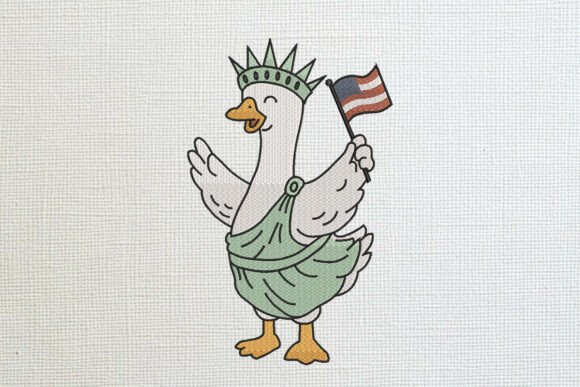
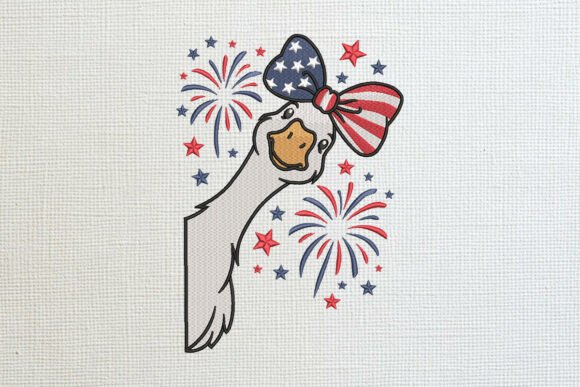
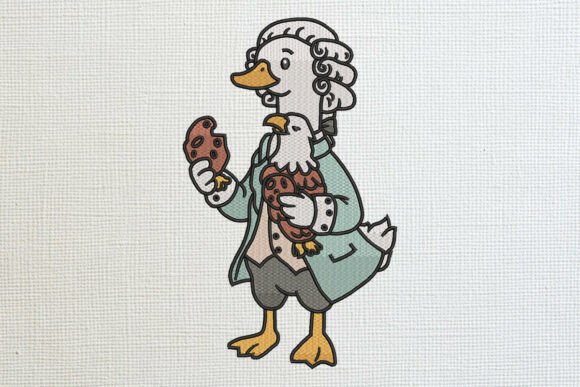
The moment you open the file, the mood is immediately established. This isn’t just a generic bird; it’s a character-driven piece that leans heavily into historical Americana. The juxtaposition of the colonial goose with the eagle creates a narrative tension that feels both playful and respectful of tradition. For a designer, this kind of personality is gold. It gives the finished product a story before the customer even reads the tag.
Visually, the layout is balanced. The negative space is handled well, which suggests that the digitizer understood the importance of breathability in embroidery. Unlike some dense patriotic designs that feel cluttered and heavy, this one allows the eye to travel naturally from the goose to the eagle. It feels like a cohesive illustration rather than two separate clip-art elements slapped together. This cohesion is crucial for maintaining brand consistency, especially if you are building a boutique identity around handmade products.
Real-World Application: From Screen to Stitch
I decided to test Patriotic Colonial Goose with Eagle Embr on a variety of substrates to simulate different use cases. The most immediate thought was for a tote bag design. There is something inherently rustic about canvas, and the bold lines of this design would pop against a natural or navy blue cotton duck bag. It feels like a perfect accessory for a summer market or a branded giveaway for a local business.
I also considered its potential for sweatshirt embroidery. Heavyweight fleece can sometimes swallow up fine details, but the core shapes in this design appear robust enough to withstand the texture of knit fabrics. Imagine a cream-colored crewneck with the goose centered on the chest. It offers a sophisticated take on holiday embroidery that doesn’t scream for attention but still makes a statement. It works equally well for aprons or kitchen towels, where the theme fits perfectly with autumn harvests or patriotic gatherings.
For those selling on platforms like Etsy, this design has strong commercial appeal. It bridges the gap between hobbyist charm and professional polish. A custom apparel item featuring this motif feels gift-worthy. It’s the kind of thing people buy for a neighbor, a teacher, or a parent because it feels personal yet universally appealing. The versatility extends to nursery decor or baby items, provided the scale is adjusted appropriately. A smaller version on a onesie or burp cloth could be incredibly popular for gender-neutral baby showers during the summer months.
Where to Use It Carefully
While the design has strengths, no digitized file is perfect for every surface. As a reviewer, I must point out where Patriotic Colonial Goose with Eagle Embr might struggle. If you plan to use this on curved surfaces like caps or hats, you need to be mindful of distortion. While the main body is sturdy, any intricate detailing near the edges may warp if the hoop tension isn’t dialed in perfectly.
Similarly, avoid placing this on thin or highly textured fabrics. Materials like loose-weave linen or sheer chiffon will not support the structure of the design. You risk puckering or losing definition in the finer stitches. Also, consider the stitch density. If your machine struggles with high-density fills, large solid areas might look bulky or stiff after washing. Always test on scrap fabric first to ensure the hand-feel meets your standards.
Technical Execution and Stitch Quality
From a technical standpoint, the mix of stitch types appears well-considered. The use of satin stitch for outlines provides clean edges, while fill stitch likely handles the body masses efficiently. This combination helps reduce thread breaks and improves overall durability. However, without seeing the specific code, I advise checking the thread colors mapping carefully. High contrast is key here; if the background fabric is dark, ensure the thread palette has enough brightness to stand out.
One critical note for digital product sellers: verify the hoop size requirements. If the design exceeds standard 4x4 or 5x7 inch hoops, it limits the types of garments you can embroider without multi-hooping, which adds production time. Check the metadata of your embroidery file to confirm compatibility with your specific machine. Also, inspect the small details—feathers, facial features, or background elements—to ensure they won’t merge together when stitched at smaller scales.
Impact on Product Value and Brand Trust
Using a professionally digitized asset like Patriotic Colonial Goose with Eagle Embr elevates the perceived value of your handmade product. Customers can often tell the difference between a mass-produced transfer and a quality embroidered piece. The depth and texture of true embroidery signal care and craftsmanship. When a buyer sees a well-executed design on a pillow cover or a personalized gift, they associate that quality with your entire brand.
This design also aids in marketing. It translates beautifully into printable mockups and digital embroidery file previews. The clear shapes and thematic relevance make it easy to visualize in lifestyle shots. Whether you are creating content for social media or updating your Etsy listings, having a versatile design that resonates with themes like Independence Day helps capture seasonal traffic. It speaks directly to the desires of crafters and makers who want to create meaningful, lasting items.
Final Designer Notes
Before committing to a full production run, I strongly recommend a few steps. First, test the design on the exact fabric you intend to sell. Second, check the stabilizer choice; a cut-away stabilizer is usually best for durability, especially for items that will be washed frequently. Third, review the licensing terms. Ensure you have the right to sell finished goods made from this commercial embroidery asset. Finally, compare light and dark fabric backgrounds to see how the color balance shifts.
In conclusion, Patriotic Colonial Goose with Eagle Embr is a strong contender for designers looking to add a touch of historical flair to their inventory. It balances artistic charm with practical stitch construction. If you are an Etsy seller, a small shop owner, or a maker looking to expand your craft business, this design offers a reliable foundation for creating engaging, high-quality products. Just remember: always test, always stabilize, and let the quality of the stitch speak for itself.