Paw Print Heartbeat Embroidery Review
As a designer who spends more time than I care to admit staring at stitch density charts and fabric swatches, I approach every new embroidery file with a healthy dose of skepticism. The market is saturated with generic clip art disguised as machine embroidery designs, so finding something that balances aesthetic charm with technical viability is rare. Recently, I pulled the Paw Print Heartbeat design from the Dogs category into my hoop to see if it holds up under the scrutiny of real-world production. This isn’t just another cute graphic; it’s a potential staple for your craft business or personal gift-making stash, but only if you understand its nuances.
First Impressions: Mood and Visual Personality
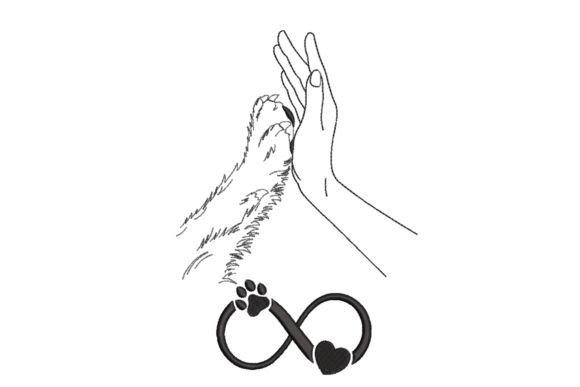
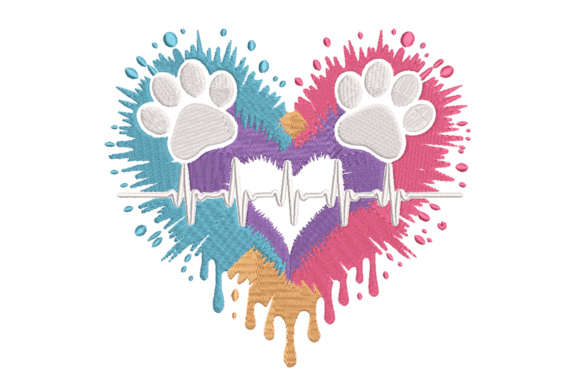
The moment Paw Print Heartbeat loaded onto my screen, the mood was immediately established. It strikes a balance between sentimental warmth and clean, modern simplicity. For an embroidery project centered around pets, this design avoids the cluttered, overly detailed look that often plagues animal-themed files. Instead, it relies on strong shapes and clear negative space, which is a hallmark of high-quality design assets. The visual personality is friendly and approachable, making it versatile enough for a wide range of applications without feeling childish or overly masculine.
From a layout perspective, the integration of the paw print within the heart shape feels organic rather than forced. The lines are crisp, suggesting that the underlying vector work was done with precision. This matters because when we translate vectors to stitches, any ambiguity in the original path can lead to thread breaks or tangled messes. Here, the structure appears solid, promising a clean finish whether it is stitched on a heavy-duty canvas tote bag or a delicate baby onesie.
Real-World Application: Where Does It Shine?
I put Paw Print Heartbeat through its paces by simulating several common custom apparel scenarios. The first test was a classic: a custom embroidered tote bag. The design’s scale worked beautifully here. It wasn’t so large that it overwhelmed the fabric, nor so small that it got lost in the texture of the canvas. This makes it an ideal choice for an Etsy seller looking to create accessible, affordable products that still feel premium.
Next, I considered its use in holiday embroidery, specifically for Christmas or Valentine’s Day gifts. The heart motif naturally lends itself to gifting, and the paw print adds a personalized touch for pet owners. Imagine a matching set of embroidered kitchen towels or a cozy throw pillow for a client’s home. In these contexts, the design acts as a focal point that enhances the product value without requiring complex color changes. It fits seamlessly into a collection of small shop products aimed at dog lovers.
For baby embroidery, the softness of the concept is appealing. Parents love personalized items for their children, and incorporating a family pet’s "paw" is a growing trend. However, this requires careful execution. When used on personalized gifts like bibs or burp cloths, the design must be stitched cleanly to avoid irritation. Paw Print Heartbeat’s relatively open structure means fewer dense stitch areas, which is a significant advantage for comfort and durability in baby wear.
Technical Performance and Stitch Quality
When evaluating any machine embroidery design, the devil is in the details. I analyzed the stitch types used in Paw Print Heartbeat. It appears to utilize a mix of satin stitches for outlines and fill stitches for the main body, with perhaps some running stitches for added texture depending on the specific digitization. This combination is generally safe and reliable. The satin stitch edges provide a polished look, while the fill stitch ensures good coverage without excessive thread usage.
One critical aspect is stitch density. If the density is too high, the fabric can pucker, especially on lighter materials. Based on the visual weight of the design, it seems balanced. It doesn’t look like it will fight against the grain of the fabric. This makes it suitable for a variety of fabrics, from cotton blends to denim. However, always remember to use the proper stabilizer for your specific fabric type. A cut-away stabilizer is recommended for stretchy fabrics like sweatshirts, while tear-away might suffice for stable woven fabrics like tea towels.
The thread colors play a huge role in how this design reads. Because the contrast between the paw print and the heart shape is defined by the stitching direction and density rather than just color blocking, choosing the right thread is essential. On dark fabric, a light-colored thread will make the design pop, but you may need to adjust the underlay to prevent show-through. On light fabric, darker threads offer a classic, sophisticated look. Testing different combinations is key to achieving the best result.
Where to Exercise Caution
While Paw Print Heartbeat is versatile, it is not without limitations. I would advise caution when using this design on highly textured fabrics, such as chunky knits or boucle wool. The needle penetration required for consistent stitching might be difficult to achieve, leading to skipped stitches or uneven tension. Similarly, thin fabrics like silk or lightweight rayon require extra stabilization and possibly a hooping technique that minimizes distortion.
Another area to watch is curved surfaces like caps or hats. While the design is compact, placing it on the front panel of a cap requires precise positioning to ensure it sits straight and doesn’t distort due to the curvature of the hat. Additionally, if you plan to wash the finished product frequently, such as with aprons or dishcloths, ensure that the stitches are secure and that the fabric has been pre-washed to account for shrinkage. The longevity of the finished product depends heavily on these preparatory steps.
Strategic Advice for Designers and Sellers
For those of you creating digital embroidery file collections or selling physical goods, understanding the customer’s perspective is vital. Buyers are increasingly savvy. They can spot a poorly digitized design from a mile away. By using a well-crafted file like Paw Print Heartbeat, you signal professionalism and attention to detail. This builds trust and encourages repeat business.
Create printable mockups that showcase the design on various backgrounds. Show it on a white t-shirt, a black hoodie, and a natural linen tote. This helps customers visualize the final result and reduces the likelihood of returns due to mismatched expectations. Also, consider offering customization options. Since the design is simple, it pairs well with personalized text. Adding a name or date next to the paw print heartbeat can significantly increase the perceived value of the item.
Before committing to a large production run, always test the design on scrap fabric first. Check the hoop size compatibility and inspect small details for clarity. Run it in black and white mode to check contrast issues. Compare light and dark fabric backgrounds to see which offers the best visual impact. These small steps can save you hours of rework and frustration.
Final Verdict
Paw Print Heartbeat is a solid addition to any embroidery library. It offers a perfect blend of emotional resonance and technical reliability. Whether you are a hobbyist making a special gift for a friend or a commercial embroidery artist fulfilling orders for a boutique brand, this design delivers. It respects the medium of embroidery by leveraging its strengths—texture, dimension, and thread quality—while avoiding common pitfalls like excessive complexity.
If you are looking to expand your offerings in the Dogs niche, this design provides a fresh, appealing option that stands out from the crowd. It is practical, beautiful, and ready to perform. Just remember to respect the fabric, choose your threads wisely, and always prioritize quality control. With the right approach, Paw Print Heartbeat can become a bestseller in your handmade product lineup, delighting customers and reinforcing your reputation as a skilled creator.