Rustic Bread Wheat – Bakery Review
As a designer who spends more time looking at stitch lines than actual bread, I approach every new embroidery file with a mix of skepticism and curiosity. When Rustic Bread Wheat – Bakery landed in my queue, I didn’t just see a cute graphic; I saw a potential centerpiece for a home goods collection. The description promises a warm, inviting aesthetic celebrating the timeless art of home baking, but for those of us turning digital files into physical products, the real question is always: how does it translate to thread?
I recently put this design through its paces, not just on a test hoop, but as part of a mock product line for a hypothetical boutique bakery brand. Here is my honest breakdown of how Rustic Bread Wheat – Bakery performs in real-world applications, where it shines, and where you might need to adjust your technique.
First Impressions and Visual Personality
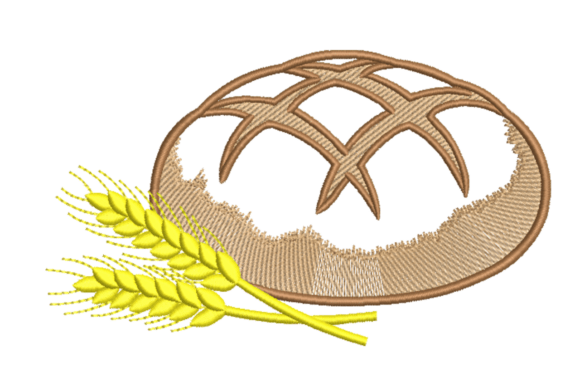
The moment you load the file, the mood is immediately established. This isn’t a hyper-modern, minimalist logo; it’s textured, organic, and deeply rooted in the "farm-to-table" aesthetic that has dominated kitchen decor for years. The composition balances the softness of baked goods with the structural integrity of wheat stalks, creating a visual weight that feels substantial without being overwhelming.
For designers, the layout is forgiving yet detailed. It works beautifully as a standalone focal point or as part of a larger collage. I found myself imagining this design on heavy canvas totes, linen tea towels, and even as a subtle accent on denim aprons. The visual personality is cozy and artisanal, which naturally elevates the perceived value of any handmade product it adorns. It signals quality to the customer before they even touch the item.
Real-World Application: From Hoop to Product
Let’s talk about utility. I tested Rustic Bread Wheat – Bakery across several common categories for small business owners and Etsy sellers.
- Kitchen Linens: This is the sweet spot for this design. On white or cream cotton tea towels, the contrast is crisp. The detail holds up well because kitchen linens are usually stable fabrics that don’t stretch during stitching.
- Custom Apparel: I tried placing this on a heavyweight sweatshirt. The design worked best centered on the chest or slightly off-center on the back. However, on thinner t-shirts, the density required careful stabilizer selection to prevent puckering.
- Baby Items: For baby blankets or burp cloths, the theme is incredibly gift-friendly. Parents love the nursery-safe, natural imagery. Just ensure the stitch density isn’t too scratchy against delicate skin by using a soft backing stabilizer.
- Branded Merchandise: If you are building a brand identity for a bakery or farm stand, this design serves as excellent design assets. It can be scaled down for embroidered patches or used on tote bags for farmers markets.
The versatility here is high. Whether you are an Etsy seller looking for a seasonal listing or a small shop product creator aiming for year-round appeal, this file fits into the "comfort food" niche perfectly.
Technical Considerations and Stitch Behavior
No design is perfect out of the box, and knowing where Rustic Bread Wheat – Bakery might struggle is just as important as knowing where it succeeds. As an experienced reviewer, I have to highlight areas that require your attention before you start production.
Stitch Density and Fabric Choice
The design features a mix of fill stitches and finer details. If you attempt this on a stretchy fabric like jersey knit without proper stabilization, you risk distortion. Always use a cut-away stabilizer for knits and a tear-away for wovens. Also, be mindful of the stitch density; if your machine struggles with tight fills, you may want to edit the underlay settings to reduce bulk.
Small Details and Clarity
While the overall shape is bold, some of the finer wheat stalk textures rely on shorter runs and precise satin stitches. If you plan to digitize this into a very small hoop size, such as 3x3 inches or smaller, those tiny details might merge together. In such cases, the design loses its character and becomes a blob of thread. For best results, keep the finished product size generous enough to let the individual elements breathe.
Thread Color Contrast
This design relies heavily on contrast to define its shapes. On dark fabrics, you will need a light-colored backing or a significant amount of white/light thread to make the image pop. Conversely, on light fabrics, darker threads provide a sharp, professional look. I recommend testing your thread colors on scrap fabric first to ensure the color palette matches your brand’s aesthetic.
Where to Use It (And Where to Avoid It)
To maximize the success of your projects, consider these practical guidelines:
- Best Uses: Heavy cotton aprons, pillow covers, structured tote bags, and flat surfaces like caps (with proper backing). These items benefit from the rustic, durable feel of the design.
- Cautious Areas: Avoid using this on highly textured fabrics like bouclé or thick chenille, as the needle penetration may be inconsistent. Also, steer clear of curved surfaces like the front panel of a fitted baseball cap unless you have extensive experience with multi-hoop digitizing, as the straight lines of the wheat might distort.
- Washability: Since this is a kitchen-themed design, many users will wash the final product frequently. Ensure you use high-quality polyester or rayon threads to prevent fading, especially if you are selling these as commercial embroidery items.
Final Verdict for Designers and Sellers
Rustic Bread Wheat – Bakery is a strong addition to any machine embroidery design library focused on home and lifestyle. It strikes a balance between artistic detail and commercial viability. It doesn’t scream for attention with neon colors or complex animations; instead, it whispers quality through texture and theme.
For the creative entrepreneur, this design offers a low-risk, high-reward opportunity. It appeals to a broad demographic—from young couples setting up their first kitchen to seasoned bakers who appreciate the craft. The key to success lies in execution: choose the right fabric, respect the stitch limits, and present the finished product with care.
If you are looking to expand your inventory with items that evoke warmth and nostalgia, this file delivers. Just remember to check the specific file specifications—such as exact stitch counts and recommended formats—before committing to large-scale production. A quick test run on scrap fabric is always worth the few minutes it takes to ensure your machine handles the design smoothly.
In summary, Rustic Bread Wheat – Bakery is more than just a pretty picture; it’s a functional, marketable asset for anyone serious about handmade goods. It respects the viewer’s eye and rewards the maker’s skill. If you value clean lines, thematic consistency, and broad appeal, this design earns a place in your workflow.