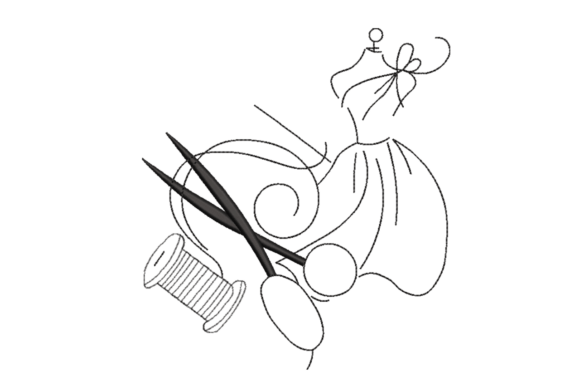
Sewing Line Art Embroidery Review
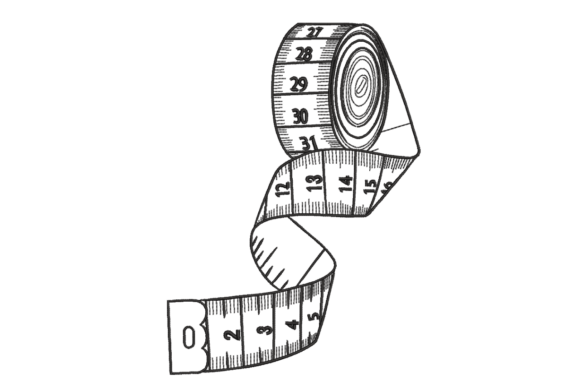
As an embroidery designer who spends countless hours evaluating digital assets for boutique collections, I am always looking for designs that balance aesthetic appeal with technical feasibility. When browsing Creative Fabrica embroidery options for a new line of cozy apparel, the Sewing Line Art design caught my eye immediately. It promises a minimalist yet textured look that could elevate simple garments into statement pieces. In this review, I will explore how this machine embroidery design might perform across various apparel types, from oversized hoodies to denim jackets, and what practical considerations you should keep in mind before adding it to your production queue.
First Impressions: Visual Mood and Design Personality
The immediate visual personality of Sewing Line Art is one of understated elegance. Unlike busy, colorful floral motifs or bold graphic tees, this design relies on clean lines and negative space to create impact. For a boutique brand aiming for a modern, rustic, or playful aesthetic, this embroidery file offers a versatile foundation. It feels premium without being overly formal, making it suitable for both casual streetwear and refined lifestyle products.
The detail level appears sufficient to hold up well under close inspection while remaining legible from a distance. This is crucial for custom apparel where the garment may be viewed on social media feeds or in crowded marketplaces like Etsy. The decorative strength lies in its simplicity; it does not scream for attention but rather invites the viewer to appreciate the craftsmanship. Whether you are targeting a feminine audience with soft pastels or a unisex crowd with neutral tones, the line art style bridges the gap effectively.
Applying Sewing Line Art to Boutique Apparel
When planning a small sweatshirt collection, placement is everything. Here is how Sewing Line Art might translate across different garment types:
- Sweatshirt Embroidery: On a heather grey or cream sweatshirt, the contrast of the thread against the fleece texture can create a beautiful tactile experience. The design works exceptionally well as a central chest piece, offering a focal point that is not overwhelming.
- Hoodie Design: For hoodie designs, consider placing the artwork on the sleeve or as a small back neck accent. A sleeve accent adds a subtle touch of personality that appeals to younger demographics. Alternatively, a larger back design can turn a basic hoodie into a standout handmade product.
- T-Shirt Embroidery: While t-shirts are common, embroidery on knit fabrics requires care. If the fabric has significant stretch, ensure the design’s stitch density allows for flexibility. A small chest logo using this line art style can add a professional finish to a standard tee.
- Denim Jackets: Denim provides a sturdy base that handles embroidery beautifully. A Sewing Line Art patch effect on the back of a denim jacket can evoke a vintage, artisanal vibe. This is perfect for creating unique boutique merchandise that stands out in a sea of printed tees.
- Tote Bags: For lifestyle product photos, embroidered tote bags featuring this design offer a chic, eco-friendly aesthetic. The durability of the stitches ensures the design remains intact after multiple uses, enhancing customer satisfaction.
Seasonal and Color Considerations
Neutral sweatshirts and pastel hoodies provide the ideal canvas for line art. Light threads on dark garments require high contrast to maintain visibility, so thread color selection is paramount. For example, white or light gold thread on a black hoodie can create a striking, modern look. Conversely, darker threads on light fabrics offer a softer, more classic appearance. When designing for cozy seasonal outfits, consider how the design interacts with the fabric’s texture. Fleece can sometimes obscure fine details, so testing on scrap fabric is essential.
Practical Embroidery Designer Notes
Before committing to full-scale production, there are several technical aspects to evaluate. As an experienced designer, I cannot stress enough the importance of due diligence when integrating a new digital embroidery file into your workflow.
- Test on Scrap Fabric: Always run a test stitch-out on the same type of fabric you plan to use. This helps you assess how the fabric texture interacts with the thread and whether the design distorts during stitching.
- Check Stabilizer Choice: The right stabilizer is critical for preventing puckering, especially on stretchy materials like jersey or fleece. A cut-away stabilizer is often recommended for permanent projects, while tear-away may suffice for stable wovens.
- Review Thread Color Contrast: Ensure that the chosen thread colors provide adequate contrast against the garment. Poor contrast can make the design look muddy or invisible, particularly in low-light conditions.
- Confirm Hoop Size: Verify that the design dimensions fit within your machine’s maximum hoop size. If the design is large, you may need to split it or use a multi-hooping technique, which increases production time.
- Inspect Stitch Density: High stitch density can make a garment stiff and uncomfortable. For apparel, a balanced density ensures comfort while maintaining design integrity. Check if the design includes fill stitches that might be too dense for delicate fabrics.
- Compare Placement Options: Experiment with different placements on mockups. A chest placement might work for some styles, while a back design might suit others better. Visual consistency across a collection enhances brand identity.
Impact on Brand Identity and Product Value
Incorporating high-quality embroidery into your product line can significantly affect your brand identity. Customers often perceive embroidered items as more durable and valuable than printed ones. This perception can lead to higher price points and increased buyer trust. A well-executed Sewing Line Art design on a sweatshirt signals attention to detail and quality craftsmanship.
Furthermore, professional presentation plays a key role in customer engagement. When you showcase these items in printable mockups or social media graphics, the texture and dimensionality of embroidery add depth to your visuals. This can improve click-through rates and conversion rates for your Etsy listings or online shop. Consistent use of such designs helps build a recognizable aesthetic that customers associate with your small shop product offerings.
Areas for Caution
While Sewing Line Art is versatile, there are areas where it requires careful handling. Avoid placing intricate line art on highly curved surfaces where distortion is likely. Tiny lettering within the design may become illegible if the stitch count is too low or if the fabric stretches excessively. Additionally, be mindful of dense stitch areas on stretchy fabrics, as they may restrict movement or cause the garment to warp over time.
Final Thoughts for Creative Entrepreneurs
For creative entrepreneurs and crafters looking to expand their inventory, Sewing Line Art offers a compelling option for commercial embroidery projects. Its minimalist charm and adaptability make it a strong candidate for various apparel types. However, success depends on proper execution. By following best practices—such as testing fabrics, choosing appropriate stabilizers, and verifying licensing—you can create finished products that resonate with your audience.
Remember to check the Creative Fabrica product details carefully before selling finished apparel. Understanding the license terms ensures that you are compliant with usage rights, protecting your business from potential legal issues. With thoughtful preparation and a keen eye for detail, this design can become a staple in your collection, helping you stand out in a competitive market. Whether you are an Etsy seller or running a dedicated boutique brand, integrating high-quality embroidery like this can elevate your offerings and drive growth.