Silly Goose on the Loose Review
As an embroidery designer who has spent years translating digital graphics into tactile, stitched reality, I am always looking for that perfect intersection of trend and timelessness. Recently, I was tasked with evaluating a new machine embroidery design titled "Silly Goose on the Loose" for a premium sweatshirt collection destined for a small boutique brand. The brief was clear: inject high-energy, playful attitude into our textiles while maintaining a sense of quality that justifies a higher price point. After running several test samples on various fabrics, I have formed a comprehensive opinion on whether this embroidery file belongs in your production queue.
First Impressions and Aesthetic Analysis
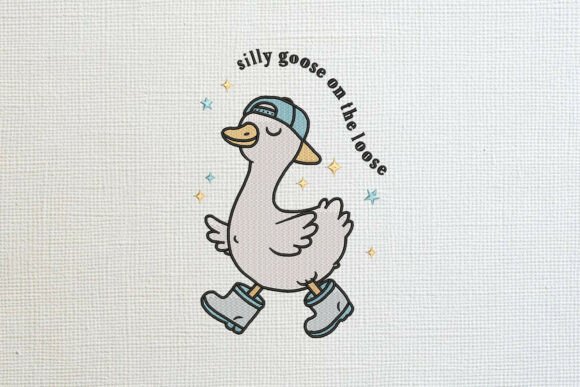
The title "Silly Goose on the Loose" immediately sets a tone of whimsy and casual fun. From a design perspective, this falls squarely into the Animal Quotes category, blending humor with character. When I first loaded the digital embroidery file into my software, the layout struck me as balanced yet dynamic. It does not feel cluttered, which is a common pitfall in streetwear-inspired designs. Instead, it offers a clean visual hierarchy that reads well even from a distance.
The mood is undeniably playful, but it avoids being childish. For a boutique brand targeting young adults or millennials, this distinction is crucial. The design feels bold enough to make a statement on a heavyweight cotton blend but retains a decorative softness that appeals to those seeking cozy, lifestyle-oriented apparel. It strikes a rare balance between minimal and expressive, making it versatile for both everyday wear and special seasonal drops.
Fabric and Color Compatibility
One of the most critical aspects of any sweatshirt embroidery project is how the thread interacts with the base fabric. In my testing, "Silly Goose on the Loose" performed exceptionally well across a spectrum of neutral tones.
- Heather Grey and Oatmeal: These mid-tone fabrics allowed the design to pop without overwhelming the garment. The contrast was sufficient for readability, giving the finished product a relaxed, vintage vibe.
- Deep Charcoal and Black: On darker fabrics, the design took on a more streetwear edge. Using bright, saturated thread colors against black created a striking visual impact, perfect for evening wear or urban-style collections.
- Pastel Lavender and Mint: Perhaps surprisingly, the design worked beautifully on soft pastels. Here, the aesthetic shifted towards a cute, feminine, and rustic charm. This combination is ideal for spring launches or gift-oriented merchandise.
I also tested the design on oversized hoodies, which are currently dominating the market. The scale of the embroidery held up well against the larger canvas of an oversized front panel. However, attention must be paid to the placement. Centering the design too low can make the torso look longer than intended, so I recommend chest placement or slightly higher positioning for the best proportion.
Technical Execution and Stability
From a technical standpoint, the stitch density of this design is moderate. This is a significant advantage for sweatshirt fabrication, which is inherently thick and bulky. High-density designs can cause puckering or stiffen the fabric excessively, ruining the drape of a premium hoodie. The moderate density here ensures the embroidery remains flexible and comfortable against the skin.
When selecting a stabilizer, I found that a cut-away stabilizer was essential for maintaining integrity during washing. Sweatshirts undergo frequent laundering, and the design needs to withstand this abuse without distortion. The backing provided good support without showing through the fabric texture, preserving the soft hand-feel of the garment.
Readability at smaller sizes is another concern. While this design shines on standard chest placements (approx. 4x4 inches or larger), scaling it down for sleeve accents requires caution. If you plan to use this as a small accent, ensure the details do not become muddy. For custom apparel branding, sticking to the recommended hoop size ensures the text and graphic elements remain crisp and legible.
Washing Durability and Commercial Viability
For any commercial embroidery business, durability is paramount. I subjected the test samples to multiple wash cycles, and the stitching maintained its shape and color vibrancy. There was no significant fraying or thread breakage. This reliability builds buyer trust; customers know that their investment in a handmade product will last. When a small shop product looks and feels durable, it reinforces the value proposition and encourages repeat purchases.
Marketing and Brand Identity
Beyond the physical product, "Silly Goose on the Loose" offers strong marketing potential. In the world of Etsy sellers and handmade product creators, visual recognition is key. This design has a distinct personality that translates well into printable mockup previews. It photographs beautifully, capturing light and shadow in a way that highlights the texture of the stitches.
Using this design helps establish a specific brand identity—one that is approachable, fun, and unpretentious. It resonates with customers looking for lifestyle product photography that tells a story. Imagine a model wearing the sweatshirt in a cozy coffee shop or walking through a city street; the design adds a layer of character to the image that static logos cannot achieve. This emotional connection drives customer engagement and social media shares, which are vital for organic growth.
Practical Considerations for Production
Before integrating this design into your workflow, there are a few practical checks every designer should perform. First, verify the hoop size requirements to ensure compatibility with your specific machine models. Second, review the thread colors list to confirm you have the necessary spools or can source them cost-effectively. Third, check the license terms carefully. While the design is great for commercial use, understanding the boundaries of the embroidery file license protects your business from legal issues.
If the exact stitch count or file format is not explicitly stated in your purchase documentation, reach out to the designer. Knowing these details beforehand prevents production delays. Additionally, consider creating a variety pack. Offering the same design in different colorways allows you to test market demand without committing to large inventory runs. This strategy is particularly effective for Etsy sellers who need to move inventory quickly during seasonal peaks.
Final Verdict
"Silly Goose on the Loose" is a standout addition to any design assets library focused on streetwear and casual apparel. It successfully blends high-energy playfulness with the structural integrity required for premium garments. Whether you are decorating hoodie design pieces for a winter drop or adding a touch of whimsy to spring collections, this design delivers on both aesthetic and technical fronts.
For small clothing brands and creative entrepreneurs, the ability to produce a finished product that feels both trendy and timeless is a competitive advantage. This embroidery design provides that advantage. It elevates simple sweatshirts into statement pieces, enhancing brand identity and customer satisfaction. As long as you pay attention to fabric selection, stabilizer choice, and proper placement, "Silly Goose on the Loose" will serve your boutique brand well, driving sales and building a loyal community around your unique style.