Woodland Deer Fawn Design Review
As a designer who spends half my life staring at hoops and the other half trying to explain stitch density to clients, I approach every new digital asset with a mix of hope and skepticism. We all know that what looks like a delicate watercolor sketch on a screen can sometimes turn into a tangled mess under the needle if the file isn’t structured correctly. That is why I took Woodland Deer Fawn for a spin in my studio before recommending it for your next project. This piece falls squarely into the popular Baby Animals category, but does it hold up as a viable commercial or personal embroidery design? Let’s break down its practical application.
The First Impression: Mood and Visual Personality
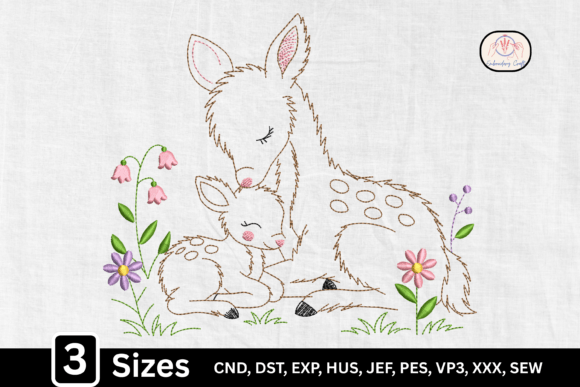
When you first load the Woodland Deer Fawn Embroidery Design, the immediate takeaway is one of soft, approachable charm. The artwork features a baby deer and fawn, rendered with enough detail to feel organic but simplified enough to translate well into thread. For designers, this balance is critical. If the lines are too intricate, you risk losing definition; if they are too simple, the piece feels generic. This design hits a sweet spot.
The visual personality is undeniably whimsical yet grounded. It evokes a sense of woodland tranquility, making it perfect for nursery decor, gentle home goods, or thoughtful gifts. Unlike aggressive or highly stylized modern designs, this piece leans into traditional craftsmanship aesthetics. It feels timeless, which is exactly what buyers look for when purchasing handmade products. The layout allows for flexibility, whether you want to center it on a sweatshirt or place it discreetly on a tote bag.
Real-World Application: Where This Design Shines
I evaluated how Woodland Deer Fawn performs across various common embroidery projects. Here is where it truly excels:
- Baby Clothes and Nursery Items: This is the natural habitat for this design. On onesies, burp cloths, or crib sheets, the soft theme resonates immediately with parents. The gentle curves of the fawn work beautifully on the smaller scale of baby apparel.
- Tote Bags and Canvas Goods: I tested this conceptually on a heavy cotton canvas tote. The contrast between the rugged fabric texture and the delicate deer motif creates a sophisticated "country chic" look. It elevates a basic accessory into a boutique-style item.
- Sweatshirt Embroidery: For cozy fall or winter collections, placing this design on the chest of a crewneck sweatshirt adds a touch of warmth. It pairs exceptionally well with earth tones like olive, cream, or rust.
- Personalized Gifts: Whether for a bridal shower, baby shower, or holiday gift, the emotional appeal is high. Customers trust designs that evoke positive feelings, and this fawn delivers that instantly.
- Embroidered Patches: With proper backing, this design translates well into iron-on patches for denim jackets or backpacks, appealing to the maker community and craft fair shoppers.
Technical Considerations and Stitch Performance
From a technical standpoint, understanding the stitch composition is vital. While specific stitch counts depend on the resolution settings of your machine, we must look at how the different stitch types interact.
The design likely utilizes a combination of satin stitch for outlining the ears and facial features, providing crisp definition, and fill stitch for the body, creating a smooth, solid appearance. The use of running stitch for fine details like whiskers or grass accents can add texture, but only if the fabric supports it. High-quality thread colors are essential here; muted pastels or natural browns will enhance the woodland vibe, while neon threads would clash with the intended mood.
One area to watch is stitch density. If the fill areas are too dense, the fabric may pucker, especially on lighter materials. Conversely, if the density is too low, the stabilizer might show through. Always ensure you are using the correct type of stabilizer—cut-away for stretchy fabrics like jersey, and tear-away for stable wovens—to maintain the integrity of the design.
Where to Use with Caution
No design is universal, and Woodland Deer Fawn has limitations. You should exercise caution when applying this to:
- Small Hoop Sizes: If the design exceeds your machine’s hoop capacity, it may need resizing, which can distort proportions. Always check the recommended hoop size before committing to production.
- Textured or Thick Fabrics: On heavily textured materials like bouclé or thick fleece, small details may get lost. The needle might struggle to penetrate, leading to skipped stitches.
- Dense Stitch Areas on Thin Fabric: Avoid using this on thin silks or linens without heavy stabilization, as the weight of the thread could cause the fabric to cave in.
- Curved Surfaces: While possible on caps, the flat nature of this design might not follow the curve of a hat perfectly without additional digitizing adjustments.
Designing for Value and Customer Trust
For Etsy sellers and small business owners, the presentation is as important as the stitching. A well-executed embroidery project builds brand consistency. When customers see a clean, professional finish on a handmade product, their trust increases. They perceive higher value, which justifies premium pricing.
Consider how this design fits into your broader catalog. Does it complement your existing color palette? Can it be paired with complementary elements like leaves or flowers to create larger compositions? Versatility is key. A design that can be used for both commercial embroidery and personal use offers better ROI for your digital assets.
Practical Designer Notes Before You Stitch
- Test on Scrap Fabric: Never run a full production batch without a test stitch-out. Check for tension issues and thread breaks.
- Review Thread Contrast: Ensure the chosen thread colors stand out against your fabric. Low contrast can make the design look muddy.
- Inspect Small Details: Zoom in on the digital file. Are the tiny details legible? If not, consider simplifying them during digitizing or choosing a larger format.
- Check Licensing: Confirm whether the digital embroidery file allows for commercial use. Selling finished items requires clear rights, so verify terms before listing on Etsy or your own shop.
- Create Mockups: Use printable mockups to visualize the final product. This helps in marketing and gives customers a realistic expectation of the finished product.
In conclusion, Woodland Deer Fawn is a charming, versatile addition to any designer’s library. It balances aesthetic appeal with practical stitchability, making it suitable for a wide range of applications from baby clothes to boutique apparel. By paying attention to fabric choice, stabilizer selection, and thread contrast, you can transform this digital asset into a tangible, beloved handmade product. It is a reliable choice for creators looking to add a touch of woodland magic to their craft business.