Hot Pepper Embroidery Design Review
As a designer who spends more time than I care to admit staring at stitch lines and worrying about tension settings, I approach every new embroidery file with a mix of optimism and skepticism. We have all been there: you find a design that looks stunning in the digital preview, but when it comes to stitching it out on actual fabric, something feels off. That is why I take the time to evaluate designs like Hot Pepper not just as a graphic, but as a functional asset for real-world production. This review focuses on how this specific piece performs in practical scenarios, from custom apparel to small business merchandise.
First Impressions and Visual Personality
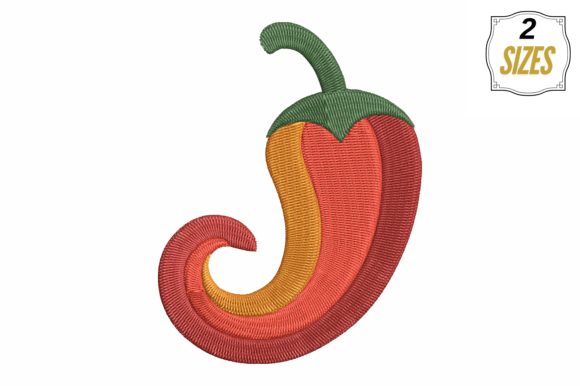
When you first load the Hot Pepper design into your digitizing software, the immediate takeaway is its vibrant energy. The shape is bold, recognizable, and inherently cheerful. It carries a mood that is both rustic and modern, making it surprisingly versatile. Unlike some food-themed designs that can feel cartoonish or overly childish, this one strikes a balance. It has enough detail to look professional but remains simple enough to read clearly after stitching.
The visual personality of Hot Pepper suggests warmth and comfort. It evokes memories of home cooking, garden harvests, and cozy kitchens. For a handmade product, this emotional connection is crucial. Customers do not just buy an embroidered item; they buy the feeling it gives them. This design taps into that instinctively. It feels like a natural fit for brands that want to convey authenticity, freshness, and artisanal quality.
Real-World Application Scenarios
To truly understand the value of a design, we need to imagine it on a finished product. Let us walk through a few common use cases where Hot Pepper shines.
Custom Apparel and Sweatshirts
One of the most popular items for Etsy sellers and craft fair vendors is the embroidered sweatshirt or heavy cotton t-shirt. Hot Pepper works exceptionally well here. Imagine a cream-colored organic cotton sweatshirt with the pepper design centered on the chest or slightly off-center on the back. The contrast between the soft fabric texture and the crisp embroidery creates a premium look. It fits perfectly within the "cottagecore" or "farm-to-table" aesthetic that is currently trending. For a sweatshirt embroidery project, the design’s bold outline ensures it stands out without overwhelming the garment.
Kitchen Textiles and Home Decor
Another strong candidate for this design is kitchen textiles. Tea towels, aprons, and oven mitts are staple items for any craft business. A set of linen tea towels featuring Hot Pepper adds a pop of color to a neutral kitchen. Because peppers are associated with cooking and spice, the thematic link is seamless. When designing a tote bag design for a farmers market vendor, placing this motif on the side panel can create a cohesive brand story. It signals to the buyer that the seller cares about fresh, high-quality ingredients.
Baby Items and Nursery Decor
Surprisingly, this design also translates well to baby products. While peppers might seem like a savory topic, the stylized nature of many embroidery designs makes them suitable for nursery decor. Think of a muslin blanket or a onesie with a smaller, softer version of the pepper. It breaks away from the typical clouds and stars, offering a unique botanical touch. For a personalized gift, adding a child’s name near the pepper motif can make it a memorable keepsake.
Technical Performance and Stitch Clarity
From a technical standpoint, the success of any machine embroidery design depends on how well the digitizer handled stitch density and detail. Hot Pepper appears to utilize a mix of satin stitches for the outlines and fill stitches for the body. This combination is generally reliable, provided the fabric choice is appropriate.
The clarity of the design is its strongest asset. Even at moderate sizes, the curves of the pepper and the stem remain distinct. This is important because blurred details can make a finished product look cheap. However, designers should be mindful of the smaller internal details. If you plan to stitch this in a very small hoop size, those finer elements might merge together. Always inspect the small details before committing to a full production run.
Where to Use Carefully
No design is perfect for every surface. There are specific situations where Hot Pepper might struggle, and knowing these limitations will save you time and materials.
- Stretchy Fabrics: If you are working with thin jersey or highly stretchy knits, the dense stitches in the fill areas can cause puckering. You must use a proper stabilizer, such as a cut-away, to support the fabric during stitching.
- Curved Surfaces: Applying this design to caps or hats requires careful hooping. The curvature can distort straight lines or symmetrical shapes. Test the placement on a scrap piece of curved fabric first to ensure the perspective looks correct.
- Dense Stitch Areas: Avoid using this design on textured fabrics like heavy bouclé or loose-weave linen without a backing. The needle penetration might be inconsistent, leading to skipped stitches or thread breaks.
- Small Hoop Sizes: As mentioned, reducing the size too much can compromise the integrity of the image. Keep the minimum dimensions in mind to maintain visual appeal.
Practical Designer Notes for Production
Before you start printing mockups or listing items on your shop, follow these practical steps to ensure quality control.
- Test on Scrap Fabric: Never assume a design will stitch out perfectly on your final material. Always run a test on a scrap piece of the same fabric type.
- Check Thread Color Contrast: The vibrancy of Hot Pepper relies heavily on thread selection. Ensure your chosen colors provide enough contrast against the background fabric. A dark red pepper on a black shirt might get lost, whereas white or yellow threads would pop.
- Review Stitch Density: Look at the density map in your software. If the stitches are too close together, the fabric may pucker. If they are too far apart, the base fabric may show through.
- Confirm Licensing: This is critical for commercial embroidery projects. Verify whether you have the right to sell finished goods made from this design. Some licenses restrict the number of units you can produce.
- Inspect Small Details: Zoom in on the digital file. Are there any tiny, unnecessary jumps that could cause thread tails? Trimming these mentally or digitally can improve the final presentation.
Impact on Brand and Customer Trust
Using a well-executed design like Hot Pepper directly impacts customer trust. In the world of small shop products, professionalism is key. A clean, well-stitched pepper motif signals attention to detail. It suggests that you care about the quality of your work. This perception leads to higher customer satisfaction and repeat business.
Furthermore, the design’s versatility allows for consistent branding across different product lines. Whether it is on a digital embroidery file preview, a physical tote bag, or a social media post, the visual identity remains strong. This consistency helps build brand recognition over time. Buyers begin to associate that specific style of embroidery with your shop’s standards.
Final Thoughts
Hot Pepper is a solid addition to any designer’s library. It offers a blend of charm, clarity, and commercial viability. It works beautifully for custom apparel, home decor, and personalized gifts. By understanding its strengths and respecting its technical limitations, you can create handmade products that stand out in a crowded market. Remember to always test thoroughly, choose your threads wisely, and keep your end-user in mind. When done correctly, this design can elevate your offerings and bring a touch of elegance and charm to your craft business.