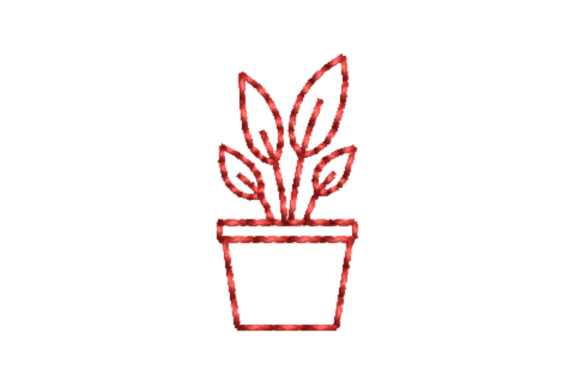
Plant Outline Redwork Review
As an embroidery designer who spends most of my days tweaking stitch paths and testing thread tension, I approach every new digital asset with a healthy dose of skepticism. The market is flooded with designs that look beautiful in the preview window but fall apart under the needle. However, when I first laid eyes on the Plant Outline Redwork design for a recent boutique sweatshirt project, I knew immediately that this was one to keep.
This isn’t just another clipart file slapped into digitizing software. It is a thoughtful application of traditional redwork techniques adapted for modern apparel. For small clothing brands, Etsy sellers, and creative entrepreneurs looking to elevate their handmade product offerings, understanding the nuance of this design is crucial. Below, I break down exactly how this piece performs in a real-world commercial setting, specifically focusing on its application for premium sweatshirts and cozy seasonal apparel.
The First Impression: Minimalist Charm Meets Commercial Viability
The moment you open the file, the aesthetic speaks for itself. Rooted in the classic redwork style, which traditionally uses a single color of thread to create intricate line art, this design offers a clean, graphic quality that translates exceptionally well to fabric. The mood is undeniably rustic yet refined. It feels feminine without being overly delicate, and bold enough to stand out on a bulky garment.
For a boutique brand, visual recognition is everything. A design like Plant Outline Redwork provides immediate brand identity. It suggests a connection to nature, simplicity, and craftsmanship. When used correctly, it elevates a basic blank sweatshirt from a generic commodity to a curated lifestyle product. The layout is spacious, allowing the negative space of the fabric to become part of the design, which is a hallmark of high-end embroidery.
Application on Premium Sweatshirts and Hoodies
Sweatshirt embroidery presents unique challenges compared to t-shirts or hats. The fabric is thick, the texture is uneven, and the weight can cause the design to pucker if the stitch density is too high. Here is how Plant Outline Redwork navigates those hurdles.
Neutral and Pastel Foundations: On heather grey, oatmeal, or soft pastel sweatshirts, the redwork style shines. Because the design relies on line art rather than heavy fill stitches, it maintains a light touch against the heavy cotton-poly blend typical of premium hoodies. The contrast between the thread and the fabric remains crisp, ensuring readability even from a distance. This is vital for social media marketing and printable mockup previews where customers need to see the detail clearly.
Dark Fabric Considerations: One might assume redwork is limited to light fabrics due to its name, but that is a misconception. On charcoal or black oversized hoodies, using a contrasting white or cream thread creates a striking, almost vintage poster effect. The single-color limitation forces a focus on shape and form, resulting in a sophisticated look that appeals to the "quiet luxury" trend currently dominating the handmade market.
Placement Options: While chest placement is standard, this design’s vertical orientation makes it excellent for back prints or sleeve accents. Imagine a small, concentrated version of the plant outline on the cuff of a hoodie, or a larger, more detailed version centered on the lower back. These variations allow Etsy sellers to offer tiered pricing and customization options, increasing the perceived value of the small shop product.
Thread Colors and Visual Impact
Although traditionally done in red, the beauty of this embroidery file lies in its versatility. Experimenting with different thread colors can completely change the vibe of the finished product. Earthy tones like olive green, terracotta, or mustard yellow lean into the botanical theme, while metallic threads can add a subtle touch of glamour for evening wear or special occasion gifts. The key is to ensure the thread has enough body to cover the sweatshirt’s knit texture without getting lost in the weave.
Technical Execution and Production Realities
For any commercial embroidery operation, consistency is king. When reviewing Plant Outline Redwork, I looked closely at the technical aspects that determine whether a design will run smoothly on the production floor.
Stitch Density and Stability: The design avoids dense satin stitches that can create stiff, uncomfortable patches on the wearer’s skin. Instead, it utilizes fine running stitches and light fills. This keeps the final product soft and wearable, which is a major selling point for customers who prioritize comfort. However, because sweatshirt fabric is unstable, proper stabilizer choice is non-negotiable. A cut-away stabilizer is recommended to prevent distortion during washing and long-term wear.
Hoop Size and Readability: While the exact hoop size should be verified in your specific software, the design scales well. It is large enough to be legible on a standard 5x7 hoop but detailed enough to hold interest. For smaller applications, such as logo placements on pockets, ensure the design is resized proportionally to maintain the integrity of the lines. If the lines become too thin, they may break or fray over time.
Washing Durability: One of the biggest concerns for buyers is whether the embroidery will survive the wash cycle. The simple line art structure of this design minimizes thread friction points, reducing the risk of tangling or breaking. As long as high-quality polyester or rayon threads are used, the finished product will retain its shape and color vibrancy through numerous washes, enhancing buyer trust and encouraging repeat business.
Enhancing Brand Identity and Customer Engagement
In the crowded world of online retail, presentation is half the battle. A well-executed embroidery design like Plant Outline Redwork does more than decorate a garment; it tells a story. It signals to the customer that attention to detail matters. When you pair this design with high-quality photography—showing close-ups of the stitch work, the texture of the fabric, and the drape of the hoodie—you create a compelling narrative that drives engagement.
For digital sellers offering this as a design asset, the versatility allows for multiple use cases. It fits seamlessly into collections focused on wellness, gardening, bohemian fashion, or minimalist home decor. By offering custom apparel branding opportunities, you position yourself not just as a seller, but as a partner in your client’s creative vision.
Final Thoughts for Designers
The Plant Outline Redwork design is a strong candidate for inclusion in any serious embroidery library aimed at apparel decoration. Its ability to bridge the gap between traditional craft aesthetics and modern streetwear trends makes it a valuable tool for apparel decorators and handmade business owners. It is quick to stitch, easy to execute, and results in a premium-looking product that customers love.
However, always remember to check the specific technical details provided by the creator before mass production. Verify the file format compatibility with your machine, confirm the recommended stitch count for your specific hooping setup, and review any license terms regarding commercial use. Taking these precautions ensures that your workflow remains smooth and your products remain top-quality.
In conclusion, this design is more than just a pretty picture; it is a strategic asset for building a cohesive, trustworthy, and visually stunning brand. Whether you are launching a limited drop or expanding your permanent collection, Plant Outline Redwork offers the perfect blend of simplicity and sophistication to help your boutique brand stand out.