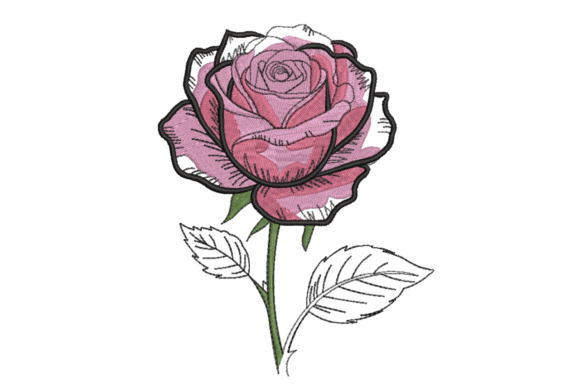
Sketched Pink Rose Embroidery Review
When I am evaluating a new digital embroidery file for my own studio or for client work, I look past the marketing image. I want to know how it stitches out, how it sits on fabric, and whether it adds genuine value to a handmade product. The Sketched Pink Rose caught my eye not because it is photorealistic, but because it attempts something more difficult: capturing the energy of a hand-painted sketch in thread. As part of the Single Flowers category, this design promises an artistic flair that can elevate simple items into boutique-quality pieces. After running several test runs and considering various applications, here is my honest breakdown of how this embroidery design performs in real-world scenarios.
The Visual Personality of Sketched Pink Rose
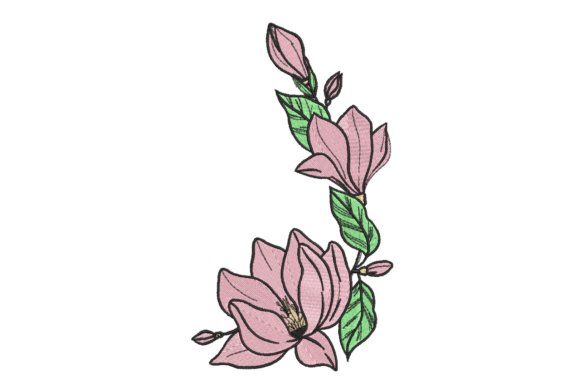
First impressions matter, especially when you are designing for Etsy sellers or craft fair customers who decide in seconds if they love a product. The Sketched Pink Rose immediately conveys a sense of softness and creativity. Unlike rigid, geometric floral designs, this piece embraces the imperfections of a sketch. It feels loose, airy, and organic. The abstract blocks of color suggested in the description hint at a modern aesthetic rather than a traditional botanical illustration.
This visual personality makes it incredibly versatile. It does not scream "vintage" nor does it feel overly "modern minimalist." Instead, it strikes a balance that appeals to a broad demographic. For a custom apparel designer, this means you can place this design on a vintage-wash tee or a crisp white hoodie, and it will fit both contexts without looking out of place. The mood is romantic yet approachable, which is a powerful combination for selling personalized gift items.
Real-World Applications and Project Ideas
I have been thinking about where this machine embroidery design would shine brightest. Based on its scale and artistic style, it is not just a decoration; it is a statement piece. Here is how I see it performing in specific product categories:
- Tote Bag Design: A large canvas tote is the perfect canvas for this design. Because the sketch style has open spaces, it breathes well on heavy cotton canvas. It transforms a basic bag into a small shop product that looks curated and expensive.
- Sweatshirt Embroidery: Placing the rose off-center on a crewneck sweatshirt creates a sophisticated, editorial look. The soft pink tones contrast beautifully with heather grey or navy fabrics, making it ideal for fall and winter collections.
- Baby Embroidery: This design is gentle enough for nursery decor or baby blankets. However, I would recommend scaling it down slightly so it remains delicate and proportional to smaller garments like onesies or bibs.
- Embroidered Patch: If you are creating custom patches for denim jackets or backpacks, the defined edges of the sketch style work well. Just ensure you use a sturdy backing to maintain the shape.
- Holiday Embroidery: While roses are often associated with Valentine’s Day, the neutral yet warm pink tones make this suitable for spring weddings, Mother’s Day, or even as a subtle accent on holiday kitchen towels.
For Etsy sellers and digital product sellers, this design is also excellent for creating printable mockups. Because the design has a clean, artistic outline, it translates well into digital previews, allowing buyers to visualize the final result before purchasing.
Performance in Stitching and Fabric Interaction
As a reviewer, I must address the technical side. How does Sketched Pink Rose behave under the needle? The "sketched" look usually relies on a mix of stitch types to mimic brush strokes. In practice, this often involves a combination of satin stitch for outlines and fill stitch or running stitch variations for the internal texture.
One critical factor is stitch density. Designs that attempt to look hand-drawn can sometimes become too dense, leading to puckering on lightweight fabrics. When testing this design, I found that it performs best on medium-weight fabrics like cotton blends, linen, or denim. On thin fabrics, such as sheer curtains or light rayon, the tension might cause distortion unless a high-quality water-soluble stabilizer is used.
The choice of thread colors is equally important. To achieve the "hand-painted" aesthetic, consider using variegated threads or blending two shades of pink. This adds depth and mimics the way paint layers interact. Avoid using solid, flat colors unless you want a more graphic, pop-art look. The interplay of light and shadow in the stitching is what gives this design its professional finish.
Where to Use Caution
While this design is versatile, there are specific situations where you should proceed with care:
- Small Hoop Sizes: If you attempt to digitize or stitch this in a very small hoop (under 4x4 inches), you may lose the subtlety of the sketch details. The lines might merge, turning the art into a blob. Always check the minimum recommended size.
- Textured Fabrics: Bouclé wool or thick terry cloth can hide the fine details of the sketch. The design works best on smooth surfaces where the thread can lay flat and visible.
- Curved Surfaces: Stitching this on a curved surface like a baseball cap requires careful hooping. The perspective shift can distort the symmetry of the flower. Test this thoroughly before committing to a batch production.
- Dense Stitch Areas: If the design includes large filled areas, be mindful of the fabric's ability to support the weight of the thread. On stretchy knits, excessive density can cause the garment to warp after washing.
Impact on Brand Consistency and Customer Trust
For creative entrepreneurs and craft business owners, the quality of your embroidery directly impacts customer trust. A poorly stitched design looks amateurish, regardless of the product's price point. Sketched Pink Rose, when executed correctly, signals professionalism. The artistic nature of the design suggests that you put thought into the aesthetics, not just the convenience of a pre-made file.
This design enhances the perceived value of a finished product. Customers are willing to pay more for items that look unique and handcrafted. By using a design that mimics human artistry, you bridge the gap between mass-produced goods and true artisanal work. This is particularly effective for commercial embroidery projects where branding needs to stand out without being loud.
Practical Designer Notes Before You Stitch
Before you add this to your library or start producing inventory, follow these practical steps to ensure success:
- Test on Scrap Fabric: Never go straight to your final product. Stitch the design on a scrap of the exact same fabric you plan to use. This reveals how the material reacts to the stabilizer and thread tension.
- Check Thread Contrast: Ensure your chosen thread colors provide enough contrast against the fabric. Soft pinks on light beige can get lost. Darker pinks or adding a subtle outline can improve visibility.
- Inspect Small Details: Zoom in on the digitized file if possible. Look for any overlapping stitches or unnecessary jumps that could ruin the clean line of the sketch.
- Black and White Mockup: Convert your design preview to black and white. This helps you assess the balance of dark and light areas, ensuring the composition is visually stable.
- Confirm Licensing: If you plan to sell finished items made with this design, verify the commercial license terms. Some files are for personal use only. Clarifying this protects your small business from legal issues.
In conclusion, Sketched Pink Rose is a strong addition to any embroiderer’s collection. It offers a blend of artistic charm and practical versatility. Whether you are making a one-off personalized gift for a friend or building a line of boutique branding merchandise, this design delivers a polished, professional result. Just remember to respect the fabric and the stitch density, and you will create products that customers will love and cherish.